PRODUCT MODEL
Stainless Steel Dismantling Joint
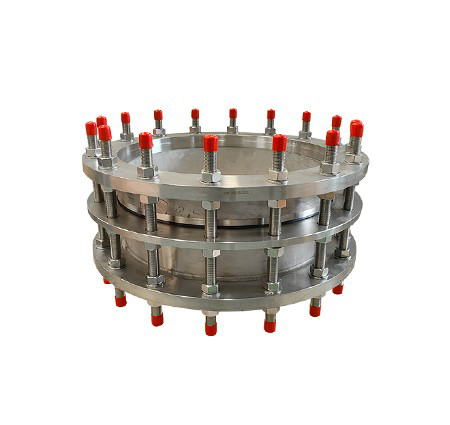
LEEVOA PIPE supplies stainless steel dismantling joints for flanged piping systems where corrosion resistance, installation adjustment and future equipment maintenance are important considerations. These joints provide a practical way to connect valves, pumps and other flanged equipment while allowing the installation length to be adjusted before the assembly is secured.
Stainless steel configurations can be specified for water treatment facilities, industrial processing plants and other applications where conventional coated steel may not meet the project material requirements. SS304, SS316 and SS316L are common material grades to consider, with the final selection depending on the operating medium, temperature, environment and approved product design.
What Is a Stainless Steel Dismantling Joint?
A stainless steel dismantling joint is an adjustable, double-flanged mechanical pipe fitting with stainless steel construction specified for the relevant components. It is installed between mating flanges to provide controlled axial adjustment during installation and clearance for removing connected equipment during maintenance.
A typical assembly includes a flanged body, telescopic spigot, sealing ring, gland and longitudinal tie rods. The telescopic section allows the installation length to be set, while the sealing and fastening components secure the joint in its final position.
Unlike a rubber expansion joint, a restrained dismantling joint is not primarily intended to absorb continuous thermal movement or equipment vibration during operation. Its main purpose is installation adjustment, maintenance access and axial load transfer according to the approved joint design.
Why Choose a Stainless Steel Dismantling Joint?
Corrosion Resistance for Suitable Environments
Stainless steel can provide improved corrosion resistance compared with unprotected carbon steel in compatible environments. This is useful when the piping system is exposed to moisture, cleaning operations or process conditions that require stainless construction.
However, corrosion performance depends on the stainless steel grade, chloride concentration, temperature, flow conditions and joint geometry. Stainless steel should not be treated as universally corrosion-proof.
Adjustable Installation Length
The telescopic structure provides controlled axial adjustment, helping installers match the available space between pipe flanges and connected equipment. The permitted adjustment must remain within the dimensions stated on the approved product drawing.
Easier Valve and Pump Maintenance
A dismantling joint installed beside a flanged valve or similar component can provide the clearance needed for future removal and replacement. This can reduce the amount of surrounding pipework that must be disturbed during planned maintenance.
Restrained Mechanical Connection
In a properly designed restrained configuration, longitudinal tie rods secure the assembly and help transfer axial pressure forces through the connection. The required restraint capacity, fastener specification and pipeline support arrangement must be checked for the operating conditions.
SS304 vs SS316 vs SS316L: Which Material Should You Choose?
Material selection is one of the most important decisions when specifying a stainless steel dismantling joint. The correct grade depends on the medium inside the pipe as well as the external installation environment.
SS304 Stainless Steel
SS304 is an austenitic stainless steel commonly considered for general industrial applications and compatible freshwater systems. It may be suitable where chloride exposure is limited and the project does not require a higher-alloy stainless grade.
SS304 should not be selected for direct seawater service without a specific corrosion engineering assessment.
SS316 Stainless Steel
SS316 contains molybdenum, which generally improves resistance to chloride-related pitting corrosion compared with SS304. It may be considered for more demanding water treatment or industrial environments, subject to the actual operating conditions.
SS316 is not automatically suitable for continuous seawater immersion. High chloride levels, elevated temperatures, stagnant water and crevice conditions can still cause localized corrosion.
SS316L Stainless Steel
SS316L is a low-carbon version of SS316. It is often considered for welded fabrications because its lower carbon content helps reduce the risk of sensitization associated with welding.
The final choice between SS316 and SS316L should consider fabrication methods, project specifications and the required corrosion performance.
Material selection note: The stainless steel grade should be specified separately for the body, flanges, gland and fasteners where required. Stainless steel bolts do not necessarily mean that the complete dismantling joint has a stainless steel body.
Stainless Steel Dismantling Joint Specifications
The following table outlines common specification items for a stainless steel dismantling joint inquiry. It is a selection guide rather than a fixed rating sheet for every size and configuration.
| Specification | Options / Requirements |
|---|---|
| Product Type | Stainless Steel Dismantling Joint |
| Connection Type | Adjustable double-flanged connection |
| Body and Flange Material | Stainless steel; SS304, SS316 or SS316L grade to be reviewed and confirmed |
| Nominal Size | DN / NPS according to project requirements; model-specific availability to be confirmed |
| Pressure Class | PN10 and PN16 are common industry configurations; actual availability and rating require confirmation |
| Flange Standard | EN / DIN, ANSI / ASME or project-specific flange drilling, subject to drawing approval |
| Sealing Material | EPDM, NBR or other compatible seal material, subject to operating conditions |
| Tie Rods and Fasteners | Material grade, dimensions and strength requirements specified for the project |
| Installation Length | Face-to-face dimension and axial adjustment according to the approved drawing |
| Surface Finish | According to material, fabrication process and project requirements |
| Technical Documentation | Dimension drawings and applicable material or inspection documentation to be confirmed before ordering |
Important: Size, pressure rating, adjustment range and material options are configuration-dependent. A product-family capability must not be interpreted as a confirmed rating for every stainless steel model.
Construction and Main Components
A typical stainless steel dismantling joint uses the following components:
- Flanged Body: Forms the main pressure-containing section and connects to the adjoining pipe flange.
- Telescopic Spigot: Provides the controlled axial adjustment needed during installation.
- Sealing Ring: Forms the seal between the overlapping joint components.
- Gland: Compresses the sealing ring according to the joint design.
- Longitudinal Tie Rods: Secure the assembly and provide the designed axial restraint.
- Nuts and Washers: Maintain the required fastening arrangement.
The body, gland, flanges and tie rods may have different specified material grades. For projects requiring stainless steel wetted parts, the material of every medium-contacting component should be checked against the technical drawing and bill of materials.
Sealing Materials and Fastener Selection
EPDM and NBR Sealing Options
EPDM is commonly considered for compatible water service, while NBR may be considered for certain oil-containing media. Neither material is suitable for every fluid or temperature condition.
The gasket compound must be selected using the operating medium, chemical concentration, temperature and applicable service requirements. Potable-water approvals, where required, must be verified for the specific sealing material and product configuration.
Stainless Steel Tie Rods and Bolts
Stainless steel fasteners may be specified where corrosion resistance is important. However, the required mechanical strength, thread compatibility, risk of galling and exposure conditions must also be considered.
Fastener grade and strength class should be confirmed independently of the joint body material. Appropriate installation practices and approved tightening procedures are essential.
Typical Applications
Water and Wastewater Treatment Facilities
Stainless steel dismantling joints can be considered around valves, pump connections and other flanged equipment in selected water and wastewater treatment systems where the material specification requires corrosion resistance.
Industrial Process Piping
Industrial plants may require stainless steel pipe connections because of the process medium, cleaning requirements or surrounding environment. Material and seal compatibility must be verified before the joint is specified.
Coastal and Desalination Facilities
Stainless steel configurations may be evaluated for selected installations in coastal and desalination facilities. For direct seawater contact, particularly under stagnant or elevated-temperature conditions, standard SS304 or SS316 should not be assumed suitable without a detailed corrosion assessment.
Pump Stations and Valve Chambers
A flanged dismantling joint provides controlled installation length adjustment and access for removing valves or pumps. Stainless steel may be preferred when the installation environment or project specification calls for stainless construction.
Stainless Steel vs Carbon Steel vs Ductile Iron Dismantling Joints
Stainless steel, carbon steel and ductile iron dismantling joints can share the same basic adjustable double-flange arrangement. The main selection difference is usually the material specification, manufacturing method and corrosion protection requirement rather than the function of the joint.
- Stainless Steel: Considered when stainless construction or additional corrosion resistance is required.
- Carbon Steel: Often selected for fabricated pipeline connections and project-specific dimensions, with suitable corrosion protection where necessary.
- Ductile Iron: Commonly used in municipal waterworks and related infrastructure applications, typically with a protective coating.
Material grade cannot always be identified reliably from appearance alone, particularly when products are coated or when different stainless steel grades have similar finishes.
For the complete product family, see our Dismantling Joint range.
How to Specify a Stainless Steel Dismantling Joint
Before requesting a quotation, confirm the following technical details:
- Nominal Size: Provide the DN or NPS and relevant mating pipe dimensions.
- Pressure Requirement: State the design pressure, operating pressure and applicable pressure class.
- Flange Standard: Specify the standard, pressure class, bolt-hole pattern and flange facing where applicable.
- Stainless Steel Grade: Confirm the required grade for the body, flanges, gland and other specified components.
- Installation Length: Provide the required face-to-face length and adjustment range.
- Operating Medium: Describe the fluid, chemical exposure, chloride content or other corrosion-related conditions.
- Temperature: State the normal and maximum operating temperatures.
- Gasket and Fasteners: Specify any required sealing compound, fastener grade or strength class.
- Documentation: Identify any required drawings, material certificates, inspection records or project approvals.
- Quantity: Provide the required number of joints and delivery destination.
If the installation is intended for a corrosive medium, a process-data sheet or existing piping specification is more useful than relying on the term “stainless steel” alone.
Installation and Maintenance Considerations
- Verify that the joint dimensions, flange drilling, materials and rated conditions match the approved specification.
- Check the condition and alignment of the mating flanges before installation. Do not use the dismantling joint to force severely misaligned pipework into position.
- Adjust the telescopic section within the permitted installation range and connect the mating flanges using the specified gaskets and fasteners.
- Compress the sealing system evenly and secure the longitudinal tie rods using the approved tightening procedure and torque requirements.
- Complete the required inspection and pressure testing before returning the pipeline to service.
During maintenance, depressurize, isolate and drain the relevant pipeline section before loosening the joint. Follow the approved installation instructions, including any requirements for supporting the connected equipment.
A restrained dismantling joint should not be treated as a continuously moving expansion device after its final installation position has been secured. For systems requiring operational movement or vibration isolation, review the relevant Rubber Expansion Joint configurations instead.
Frequently Asked Questions
What is a stainless steel dismantling joint used for?
It provides controlled axial installation adjustment and maintenance clearance in a flanged pipeline connection. It is commonly installed near valves, pumps and other removable equipment when stainless construction is required.
Is SS316 better than SS304 for dismantling joints?
SS316 generally provides better resistance to chloride-related pitting than SS304, but the correct choice depends on the actual medium, temperature and exposure conditions. Neither grade is suitable for every corrosive environment.
Can a stainless steel dismantling joint be used in seawater systems?
Only after the material, sealing system and operating conditions have been assessed. SS316 may experience pitting or crevice corrosion in seawater, so standard stainless steel grades should not be specified for continuous seawater service without engineering review.
Are the body and tie rods always made from the same stainless steel grade?
No. The body, flanges, gland, tie rods and nuts may use different material grades. The material requirements for each component should be confirmed in the project specification and technical drawing.
Can the installation length and flange dimensions be customized?
Project-specific installation lengths and flange configurations can be reviewed according to the required dimensions and technical drawing. Manufacturing feasibility and the final approved design must be confirmed before ordering.
How can SS304 and SS316 be distinguished?
These grades cannot be reliably identified by visual appearance alone. Where grade verification is required, use the applicable material documentation and an appropriate material identification method, such as positive material identification (PMI).
Request a Stainless Steel Dismantling Joint Quotation
LEEVOA PIPE can review your stainless steel dismantling joint inquiry based on the pipeline dimensions, flange requirements, material specification and operating conditions.
For a more accurate technical review and quotation, please provide the required DN, pressure class, stainless steel grade, flange standard, installation length, medium, temperature and quantity. Drawings or existing equipment information are also helpful.
Request a Quote: Submit Your Technical Requirements
Email: sales@leevoapipe.com
WhatsApp: +86 156 3813 8723