PRODUCT MODEL
Carbon Steel Dismantling Joint
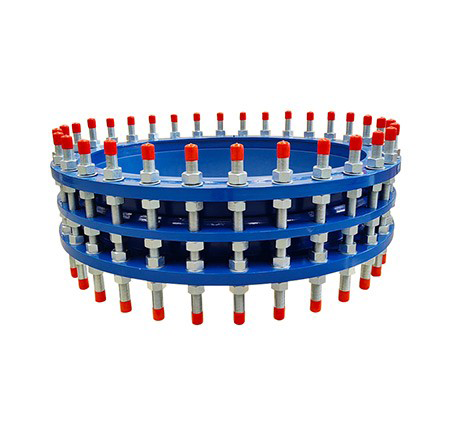
LEEVOA PIPE supplies carbon steel dismantling joints for flanged piping systems where adjustable installation length and reliable equipment maintenance access are required. These double-flanged joints are used alongside valves, pumps, flow meters and other pipeline equipment, allowing the face-to-face distance to be adjusted during installation or dismantling.
Fabricated carbon steel construction is a practical choice for projects involving large pipe diameters, customized installation lengths or specific flange requirements. The final material grade, pressure rating, flange dimensions and surface protection are selected according to the operating conditions and approved technical drawing.
Carbon Steel Dismantling Joint for Adjustable Flanged Connections
A carbon steel dismantling joint is a mechanical pipe fitting with a telescopic section, sealing assembly and longitudinal tie rods. It provides controlled axial adjustment when connecting or removing flanged equipment.
During installation, the joint can be adjusted to match the space between two mating flanges. Once the required position is reached, the seal is compressed and the tie rods secure the assembly. In a properly engineered restrained configuration, the tie rods also help transfer axial end loads through the connection.
This adjustment is intended primarily for installation and maintenance. A restrained dismantling joint should not be treated as a flexible expansion joint designed for continuous thermal movement or vibration isolation.
Why Choose a Fabricated Carbon Steel Dismantling Joint?
Flexible Design for Project-Specific Dimensions
Steel fabrication allows the body, flange dimensions and installation length to be designed around a particular piping arrangement. This is useful when standard fittings cannot match the available space or when the project requires specific connection dimensions.
Practical for Large-Diameter Pipeline Projects
Large valves and flanged pipeline equipment can be difficult to install or remove where the surrounding pipework is fixed. A fabricated steel dismantling joint can provide the axial clearance required for maintenance without changing the overall pipeline layout.
Defined Material and Surface Protection Requirements
Carbon steel grades, protective coatings and fastener materials can be specified according to the project requirements. Epoxy coating or a suitable paint system helps protect carbon steel surfaces, provided the coating is appropriate for the operating environment.
Carbon steel itself is not inherently corrosion-resistant. Coating selection, internal media compatibility and environmental exposure must be considered separately.
Carbon Steel Dismantling Joint Specifications
| Specification | Available Configuration / Requirement |
|---|---|
| Product Name | Carbon Steel Dismantling Joint |
| Joint Configuration | Double-flanged adjustable dismantling joint |
| Main Body Material | Fabricated carbon steel; material grade according to project specification |
| Nominal Size | DN / NPS according to project requirements; final size range subject to configuration |
| Pressure Class | PN10 / PN16 commonly requested; other requirements subject to design confirmation |
| Flange Connection | Double flanged |
| Flange Standards | DIN / EN, ANSI / ASME, AS or project-specific drilling, depending on configuration |
| Installation Length | Adjustable; custom face-to-face dimensions available |
| Sealing Material | EPDM / NBR or other suitable elastomer according to operating medium |
| Tie Rods / Studs | Project-specific steel fasteners; stainless steel options available for selected configurations |
| Surface Protection | Epoxy coating or protective paint according to project requirements |
| Typical Applications | Water pipelines, wastewater systems, pump stations and compatible industrial piping |
| Customization | Installation length, dimensions, flange drilling, coating and fastener options |
| Technical Drawings | Available for project confirmation |
Technical note: The pressure class, working temperature, nominal size and installation adjustment are configuration-dependent. PN10 and PN16 are common inquiry categories, not a universal rating for every supplied size. Final working pressure, dimensions and material specifications must be confirmed against the approved drawing and operating conditions.
Construction and Main Components
A typical double-flanged carbon steel dismantling joint contains the following components:
- Flanged Body: Forms the main steel connection and supports the telescopic assembly.
- Telescopic Spigot: Slides axially within the joint during installation adjustment.
- Gland: Compresses the sealing element around the telescopic section.
- Sealing Ring: Provides sealing between the sliding components.
- Longitudinal Tie Rods: Restrain the assembly at the selected installation length and transfer axial loads where the design provides for this function.
- Nuts and Washers: Secure the bolted connections and restraint arrangement.
Although carbon steel and ductile iron dismantling joints can look similar after painting, their body materials and manufacturing methods are different. The actual material should be verified from the product specification or material documentation rather than appearance alone.
How Does the Adjustable Installation Length Work?
1. Position the Joint Between the Flanges
With the pipeline safely isolated and depressurized, position the dismantling joint between the mating flanges and check that the flange faces and bolt holes are aligned.
2. Adjust the Face-to-Face Dimension
Move the telescopic section within the permitted adjustment range until the joint fits the required installation space. Do not exceed the minimum or maximum installation dimensions specified in the approved drawing.
3. Complete the Flange Connections
Install the specified flange gaskets and connecting bolts. Ensure that the gasket type, flange facing and bolt arrangement are suitable for the connection.
4. Compress the Seal and Secure the Tie Rods
Tighten the gland fasteners and longitudinal tie rods in the sequence and to the torque values specified by the approved installation instructions. The completed assembly must be correctly restrained before the pipeline is returned to service.
Important: Do not loosen the restraint system or attempt to adjust or dismantle the joint while the pipeline is pressurized. Installation, restraint and pressure testing must follow the approved project procedures.
Carbon Steel Dismantling Joint Applications
Butterfly Valve Installation and Replacement
Large flanged butterfly valves often require axial clearance before they can be removed from fixed piping. A dismantling joint provides installation adjustment and, when properly isolated, can facilitate later valve replacement.
Pump Stations and Mechanical Equipment
Dismantling joints can simplify the installation and removal of flanged pump connections, valves and other mechanical components. The actual placement should follow the approved piping and equipment arrangement.
Water and Wastewater Treatment
Carbon steel dismantling joints can be specified for suitable water and wastewater pipeline systems. Seal compatibility, corrosion protection and any drinking-water approval requirements must be checked for the actual service.
Large-Diameter Pipeline Connections
Fabricated steel designs are useful where large nominal diameters, project-specific flange dimensions or non-standard installation lengths are required.
Industrial Piping Systems
Carbon steel dismantling joints can be considered for compatible industrial pipeline services where adjustable flanged connections and future equipment maintenance are important. Suitability depends on the process medium, temperature, pressure and corrosion conditions.
Carbon Steel vs Ductile Iron Dismantling Joints
Both materials can be used in adjustable flanged dismantling joints. The appropriate choice depends on material specifications, manufacturing requirements, dimensions and project conditions rather than appearance or material name alone.
| Selection Factor | Carbon Steel | Ductile Iron |
|---|---|---|
| Construction | Typically fabricated from steel components | Typically manufactured using cast ductile iron components |
| Dimensional Customization | Well suited to project-specific fabricated dimensions | Depends on casting design and available configurations |
| Common Selection Context | Custom dimensions, fabricated connections and large pipeline projects | Waterworks and infrastructure pipeline applications |
| Corrosion Protection | Protective coating normally required | Protective coating also commonly used |
| Pressure Capability | Depends on the complete joint design and rating | Depends on the complete joint design and rating |
For a broader explanation of the product family, see our Dismantling Joint range.
Flange Standards, Coatings and Sealing Options
Flange Compatibility
Depending on the design, carbon steel dismantling joints can be configured for DIN / EN, ANSI / ASME, AS or project-specific flange requirements. EN 1092-1 is a relevant flange standard for steel flanges in European piping systems.
When requesting a quotation, provide the mating flange standard or drawing. Nominal size and pressure class alone may not be enough to verify bolt-hole dimensions, flange facing or connection compatibility.
Protective Coatings
Epoxy coating and protective painting are available options depending on the project. Coating selection should consider the internal medium, external environment, expected exposure and any applicable project requirements.
Gasket and Fastener Selection
EPDM and NBR are common sealing material options, but they are not interchangeable for every medium. The gasket material should be selected against the operating fluid and temperature. Tie-rod and fastener materials must also meet the required mechanical and corrosion-resistance specifications.
What to Confirm Before Ordering a Carbon Steel Dismantling Joint
For an accurate quotation and technical review, please provide the following information:
- Nominal Size: DN or NPS, including any available connection dimensions.
- Pressure Requirements: Design pressure, operating pressure and required pressure class.
- Flange Standard: EN, ASME, AS or the specified flange drawing.
- Installation Length: Required face-to-face dimension and adjustment range.
- Operating Medium: Water, wastewater or another specified industrial fluid.
- Operating Temperature: Normal and maximum service temperature.
- Material and Coating: Required carbon steel grade, coating system and corrosion-protection requirements.
- Fastener Requirements: Tie-rod material, grade and any project-specific restraint requirements.
- Quantity and Drawings: Required quantity, available technical drawings and project destination.
For non-standard or large-diameter joints, an approved dimensional drawing is particularly important. It confirms the available installation adjustment, flange compatibility and the overall connection arrangement before production.
Carbon Steel Dismantling Joint FAQ
What is a carbon steel dismantling joint used for?
It provides adjustable installation length in a flanged pipeline connection, making it easier to fit, remove and maintain valves, pumps, meters and other flanged equipment.
What is the difference between a carbon steel and ductile iron dismantling joint?
The main difference is the material and construction method. Carbon steel versions are commonly fabricated from steel components, while ductile iron versions use cast components. Both can provide similar installation-adjustment functions when correctly designed.
Are PN10 and PN16 carbon steel dismantling joints available?
PN10 and PN16 are common pressure-class requirements for dismantling-joint inquiries. Availability and the actual working pressure must be confirmed for the selected nominal size, flange specification and complete joint design.
Can a carbon steel dismantling joint be made for large pipe diameters?
Yes. Fabricated carbon steel construction is suitable for considering large-diameter and project-specific designs. The available diameter, installation length and pressure rating must be checked against the required technical drawing.
Can it absorb thermal expansion during operation?
A conventional restrained dismantling joint is primarily intended for installation and dismantling adjustment, not continuous operational movement. Where thermal movement or vibration isolation is required, a purpose-designed rubber expansion joint or another suitable movement-control component may be needed.
Does carbon steel require corrosion protection?
Yes, in most water and industrial environments. Carbon steel can corrode when exposed to moisture or aggressive media. The coating or lining must be selected according to the internal and external exposure conditions.
What information is needed for a quotation?
Please provide the nominal size, pressure class, flange standard, required installation length, operating medium, temperature, coating requirements, quantity and any available technical drawings.
Request a Carbon Steel Dismantling Joint Quotation
Need a double-flanged carbon steel dismantling joint for a valve installation, pump station or industrial pipeline project?
Send LEEVOA PIPE your connection dimensions, pressure requirements, flange standard and project details. We can review the specification, discuss available customization options and prepare a quotation based on the required configuration.
Email: sales@leevoapipe.com
WhatsApp: +86 156 3813 8723